MAJOR ADVANCE: REDUCE & RESOLVE INFLAMMATION

Life Extension long ago observed older people who are “on fire” as result of uncontrolled inflammatory reactions.

Inflammation causes or contributes to development of:

  1. Cancer
  2. Dementia
  3. Arheroscerosis
  4. Frailty
  5. Arthritis
  6. Other degenerative disorders

Normal aging is often accompanied by increased systemic inflammaton.

Today’s consensus is that chronic inflammation is significantly involved with degenerative aging. Nutrients such as curcumin inhibit inflammation and reduce its severity.

Although inhibiting the onset of inflammation is important, emerging scientific research suggests this is only half of the equation. Resolution of inflammation may be as important as inhibition of inflammation.

Groundbreaking research has uncovered a method to resolve inflammation and return tissues to a healthier and more youthful function.

As we age, the risk of degenerative disease increase. A central factor in age-associated illness IS chronic inflammation. Many diseases of aging are closely linked with loss of youthful cellular function, and can be traced back to persistent and unresolved inflammatory reactions.

Inflammation can be initiated and exacerbated in many ways including poor diet, environmental toxins, cigarette smoke, excess body weight, and aging (the term for this is inflammaging).

Senescent cells that accumulate with age release compounds that promote and maintain an environment of chronic inflammation. Some inflammatory reactions, such as cartilage destruction in joints, lead to outward symptoms like pain.

Inflammaging, however, may be silent and insidious. This is particularly troublesome with vascular inflammation with no obvious warning signs until heart attack or stroke occurs. Over time, chronic inflammation damages cells, organs, and blood vessels, which leads to loss of function and exacerbates risk of common age-related health problems.

Resolving Chronic Inflammation

Some dietary components like curcumin and ginger, and drugs like NSAIDS, inhibit and/or reduce the severity of inflammation.

SUMMARY

Inflammation that remains ongoing and unresolved inflicts damage that contributes to accelerate aging and most degenerative disorders. Nutrients like curcumin and ginger inhibit the onset of inflammation and help reduce the intensity of inflammation.

Older individuals, however, often need to better resolve inflammation in order to return tissues to more youthful function.

Life Extension offers an Enhanced Curcumin at a lower price. Scientific studies document how curcumin protects against a hot of age-related disorders. A giant leap forward has occurred with a new tumeric blend that delivers a 45-fold plasma increase in free curcuminoids.

Curcumin Elite is a Highly absorbable Curcumin Elite is a patented extract from turmeric root that provides 45 times greater free curcuminoid bio-availability than standardized turmeric powder. It contributes to higher blood levels of bio-active curcuminoids that stay in the body longer to provide more health benefits. It contins the same optimal 500mg potency of curcumin with the added benefits of ginger and additional turmeric actives.

Source: Life Extension, Kirk Stokel
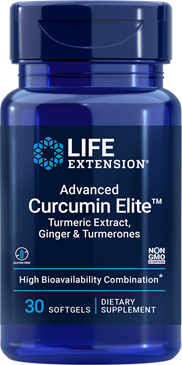
30 softgels | #02324Highly absorbable curcumin with complementary plant extracts

Exclusive Sale for New Customers Only! Enjoy special Discounts & Free Shipping on a collection of our finest products. Use code NY1 Find Curcumin Elite at:

https://www.kqzyfj.com/click-9229325-13932625

GLUCOSAMINE SUPPLEMENTATION LOWERS RISK OF CARDIOVASCULAR DISEASE

Life Extension Series #2

Among people who supplemented with glucosamine, there was a lower risk of cardiovascular disease events, coronary heart disease, stroke, an death from cardiovascular disease, according to a study reported in The BMJ

Researchers utilized data fro 466,039 participants who enrolled in the UK Biobank between 2006 ad 2010. Subjects completed questionnaires upon enrollment that provided data concerning diet, supplement use and other factors. Participants were followed for an average of seven years.

People who use glucosamine supplements had a 15% lower risk of totl cardiovascular disease events, defined as cardiovascular disease death, coronary heart disease, and stroke, in comparison with people who did not use the supplements. When these outcomes were examined individually, glucosamine use was associated with 22% lower risk of cardiovasculr death, an 18% lower risk of coronary heart disese and a 9% lower risk of stroke.

As a side note, Glucosamine is a popular over-the-counter supplement used by people with osteoarthritis to relieve pin and support healthy joint tissue.

Life Extension supplements are scientifically backed and the bestin the the market. Our Glucosamine/Chondroitin is The Best in Class!

Exclusive Sale for New Customers Only! Enjoy special Discounts & Free Shipping on a collection of our finest products. Use code NY10

Available at: https://www.kqzyfj.com/click-9229325-13932625
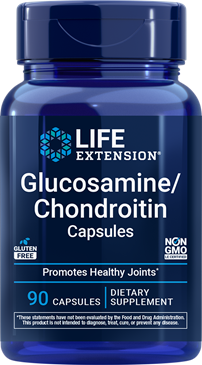
Source: Life Extension

Life Extension Science & Research 40 Years on the forefront of pioneering medical research

Our clinical researchers continually push the envelope of scientific innovation in an effort to unlock new gateways to extraordinary wellness and vitality. We’re here to guide you through the hype and hysteria by translating science into everyday insights so you can make informed decisions and live your healthiest life. Here you will find in-depth protocols on a variety of health conditions and articles on the latest in health and nutrition science.

In each forthcoming blog I will zero in on one or two supplents that I feel are absolutely critical to your health and that I personally take.

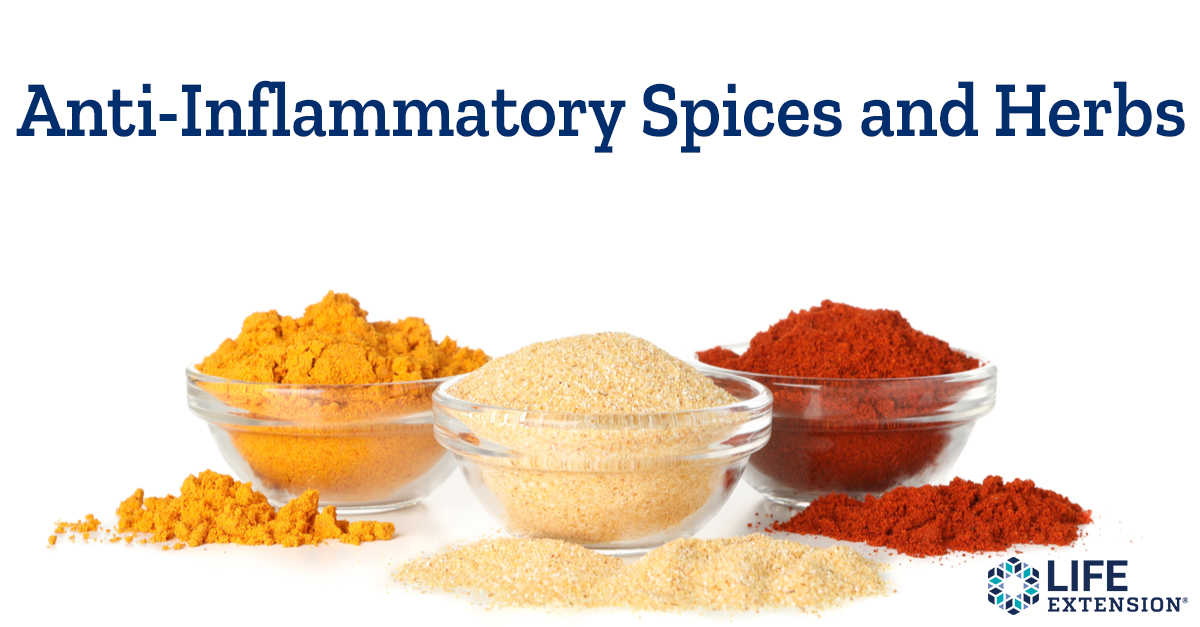
Cooking with Anti-Inflammatory Spices and Herbs

Since many spices and herbs have anti-inflammatory properties, the bioactive compounds found in plants are often included in dietary supplements and standardized to ensure an amount that has been researched to show benefit. Cooking with these same spices and herbs that are used as supplements, tinctures, teas, and oils can contribute to your overall intake of these healthful plants. There are probably some of these anti-inflammatory seasonings in your spice cabinet right now, but before you get cooking, we have outlined some information on this topic to help you learn more:

What are Spices?

A spice is a plant substance used for flavoring, coloring or preserving food. Turmeric is a spice that is commonly used in the condiment mustard and can play all of the roles just mentioned. Parts of the plant that are used as spices:

  • Seed
  • Fruit
  • Root
  • Bark

What is an Herb Versus a Spice?

Herbs are also plants, and like spices, they are also used for flavoring or as a garnish. Certain herbs such as rosemary are also used for preserving food because of their antioxidant properties. The terms ‘spices’ and ‘herbs’ are sometimes used interchangeably but are distinct botanically and in culinary use. Parts of the plant that are used as herbs:

  • Leaves
  • Flowers
  • Stems

3 Common Herbs with Anti-Inflammatory Properties:

1. Rosemary
2. Basil
3. Sage

What are Anti-Inflammatory Spices?

Anti-inflammatory spices contain active compounds that have been shown to reduce one or more markers of inflammation. Some markers and mediators of inflammation used in research and diagnosis include:

9 Spices with Anti-Inflammatory Properties:

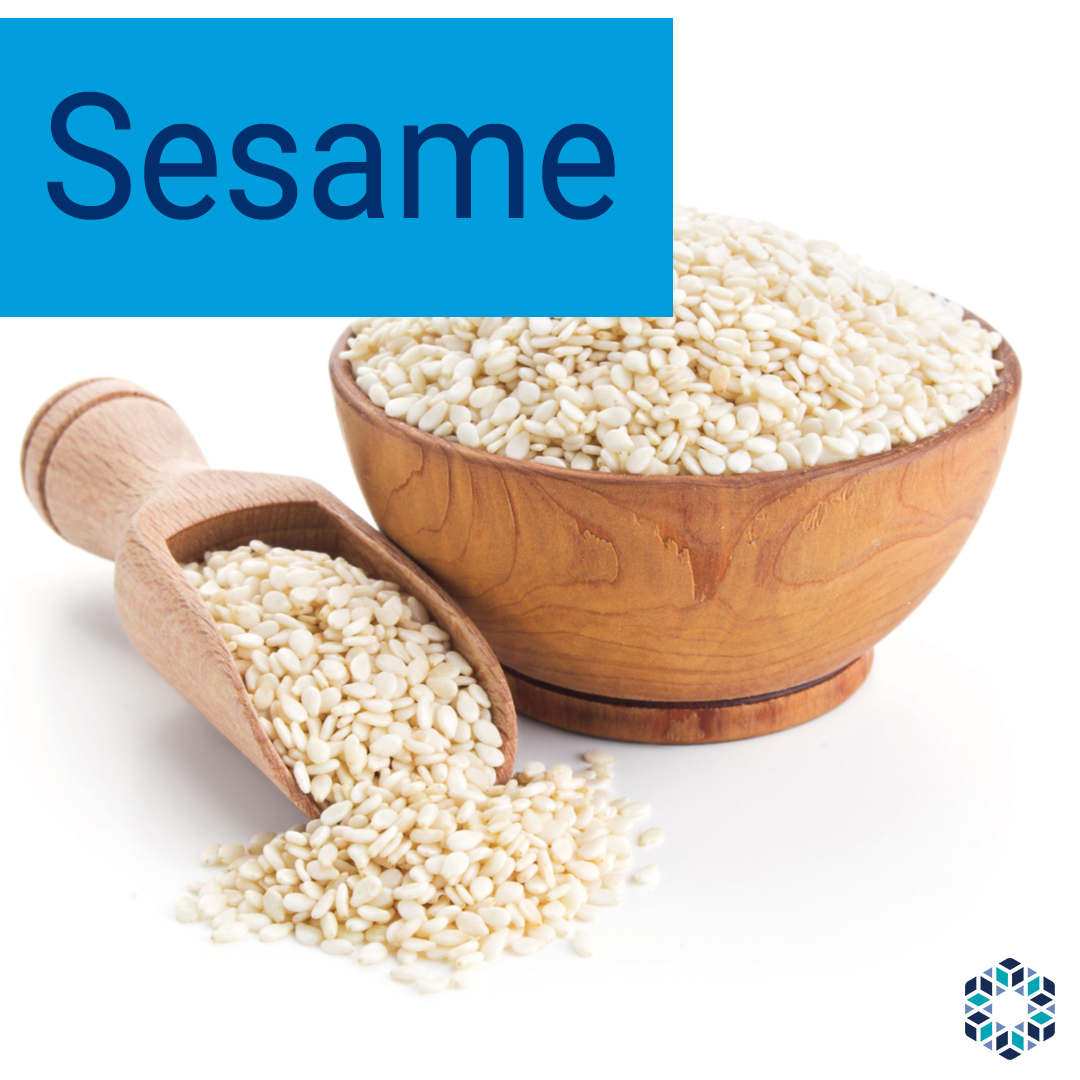
  1. Sesame has been shown to have anti-inflammatory properties in preclinical and clinical studies.
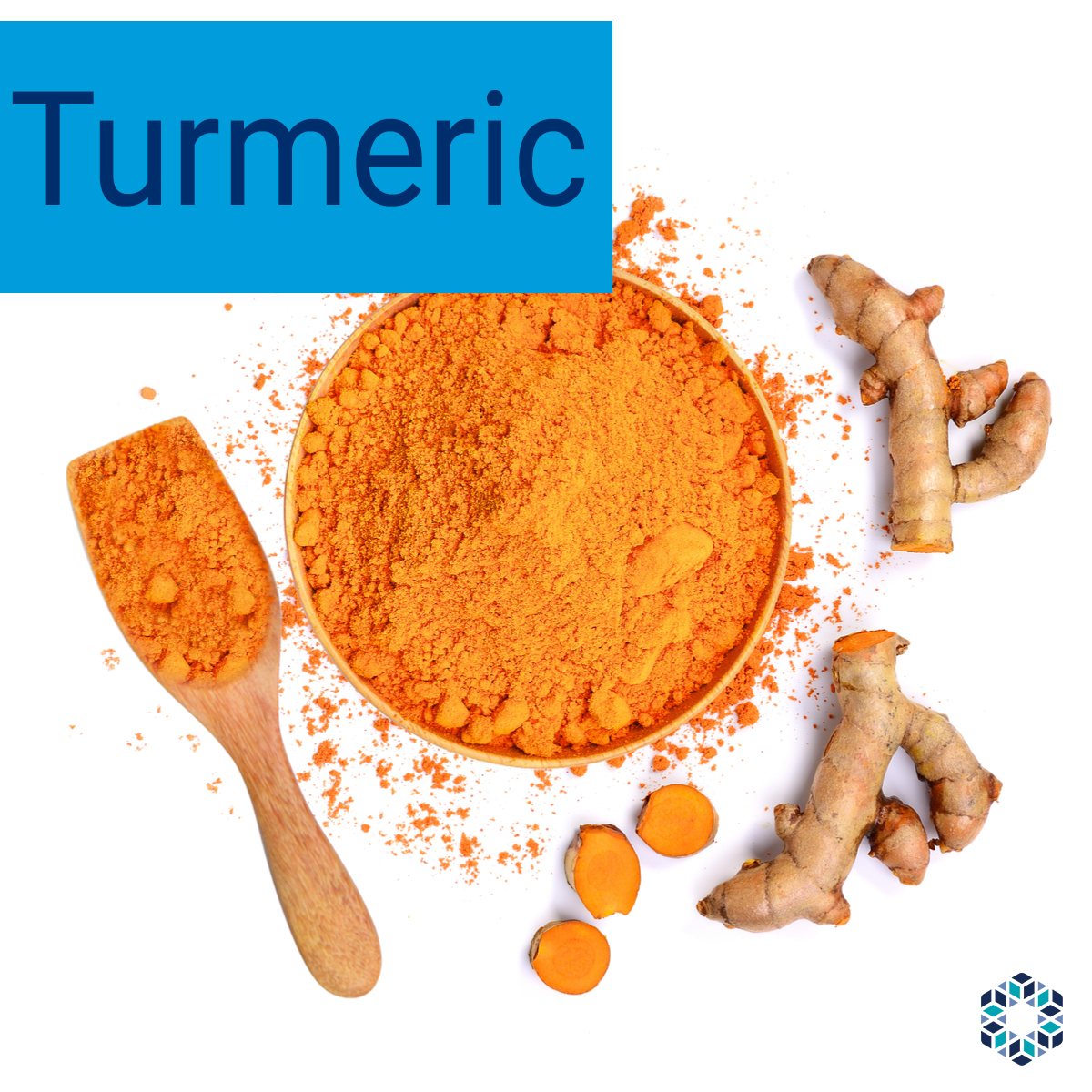
  1. Turmeric (and its main bioactive constituent, curcumin) is a very popular anti-inflammatory spice with many studies demonstrating efficacy. Clinical and preclinical studies indicate that turmeric and curcuminoids like curcumin may help manage atherosclerosis, cardiovascular disease, hypertension, and more.
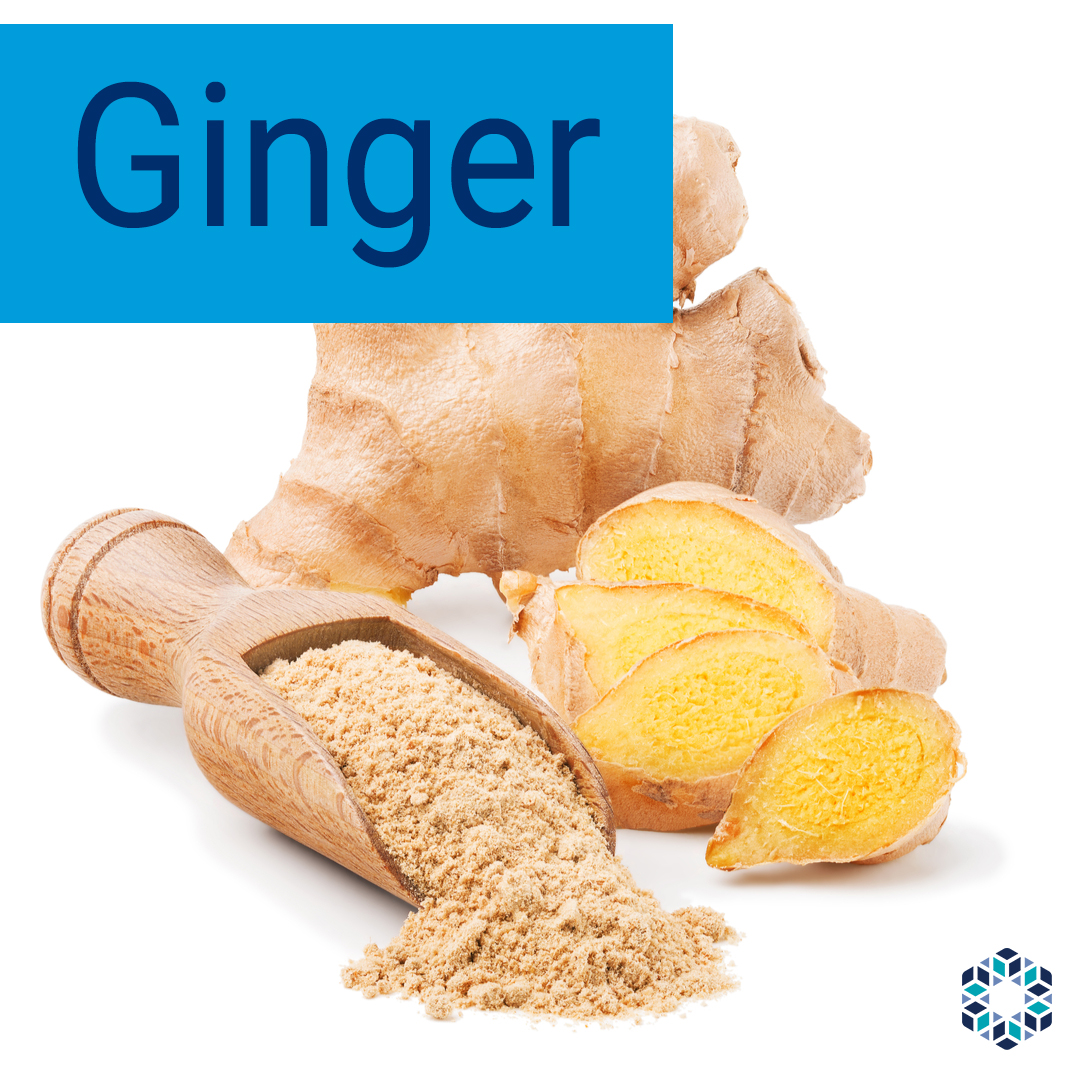
  1. Ginger was shown to reduce CRP and inflammatory cytokines in participants with diabetes and osteoarthritis.
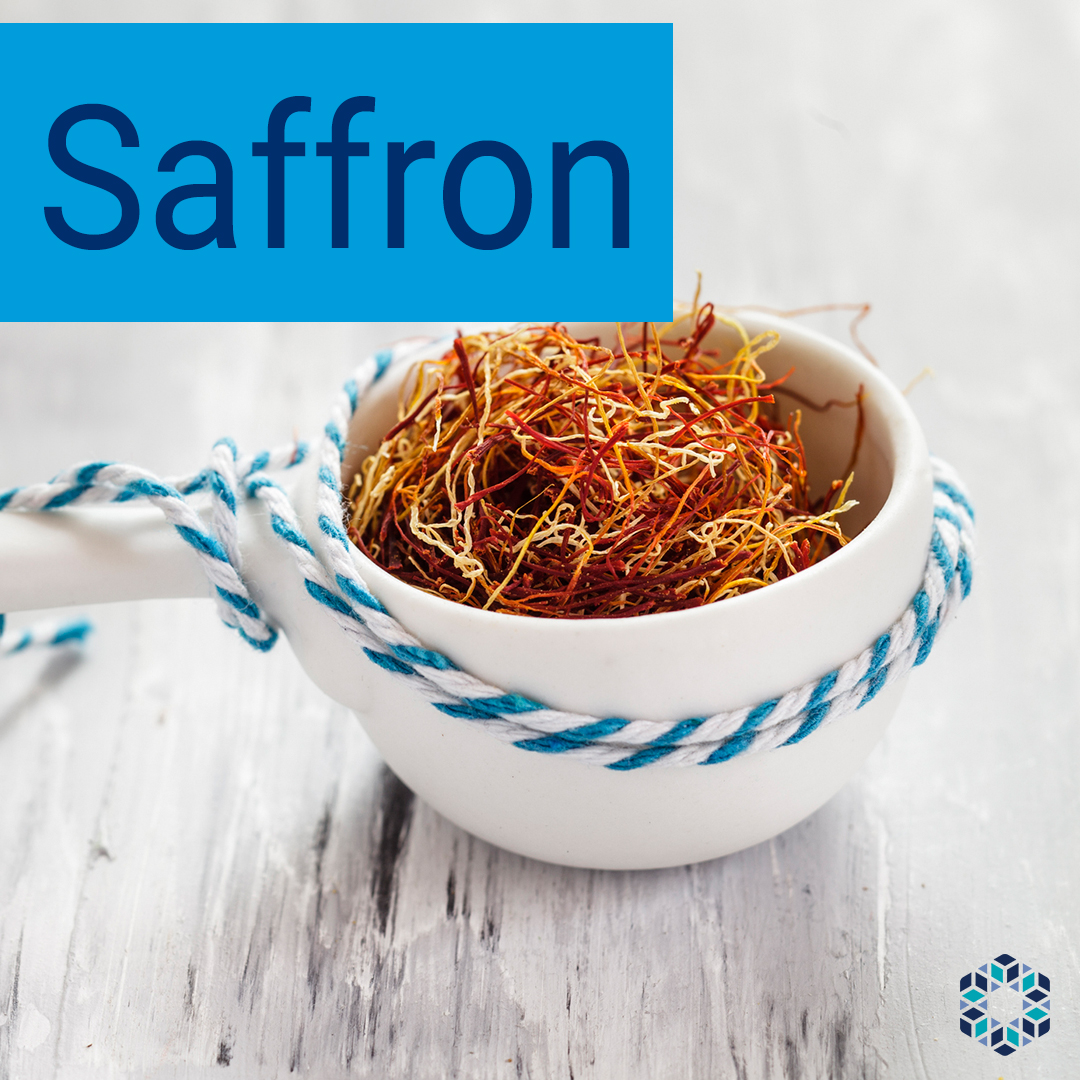
  1. Saffron has demonstrated anti-inflammatory effects in preclinical studies.12 In participants with allergic asthma, saffron reduced CRP levels.
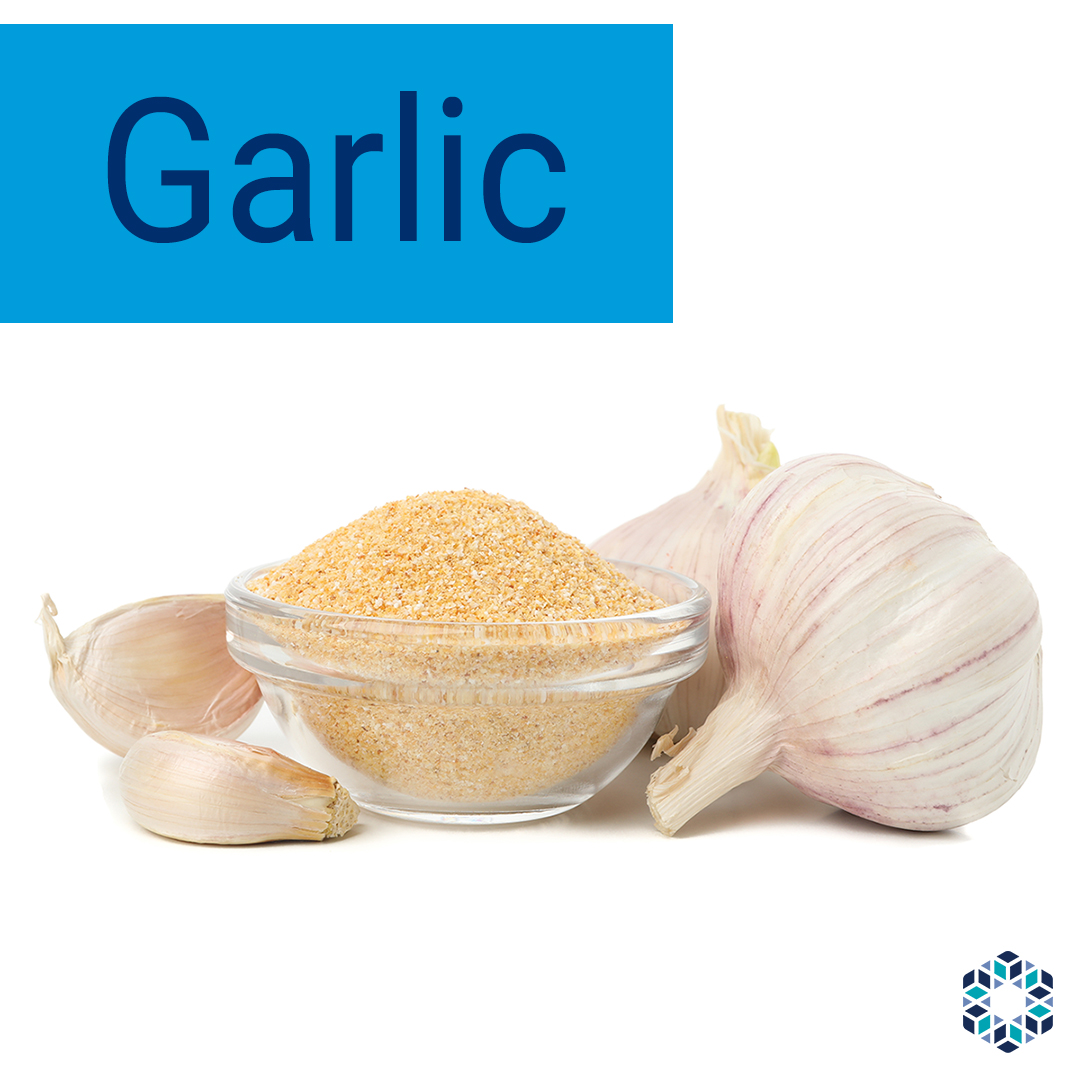
  1. Garlic has anti-inflammatory activity in preclinical and clinical studies.14 In a study of overweight and obese women with osteoarthritis, garlic improved pain and reduced the pro-inflammatory adipocytokine (a cytokine produced by fat cells) called resistin.
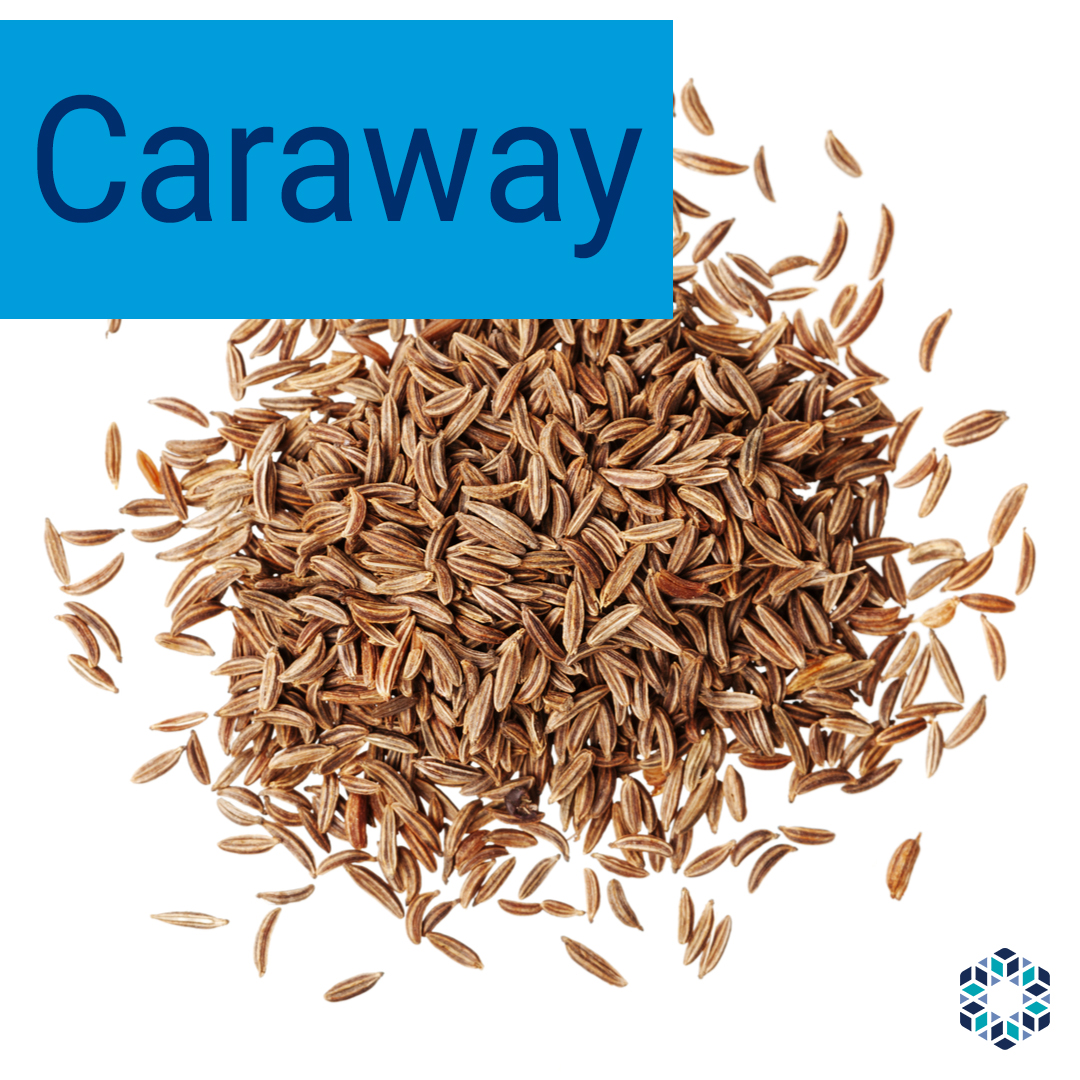
  1. Caraway has some data that it may be beneficial in inflammatory bowel conditions like colitis.
  1. Cardamom has several clinical and preclinical studies demonstrating anti-inflammatory effects. In obese participants with fatty liver disease, cardamom reduced levels of CRP and inflammatory cytokines.17 In overweight and obese pre-diabetic women, cardamom reduced CRP.18 Cardamom may exert its anti-inflammatory effects through inhibiting the NF-κB pathway.
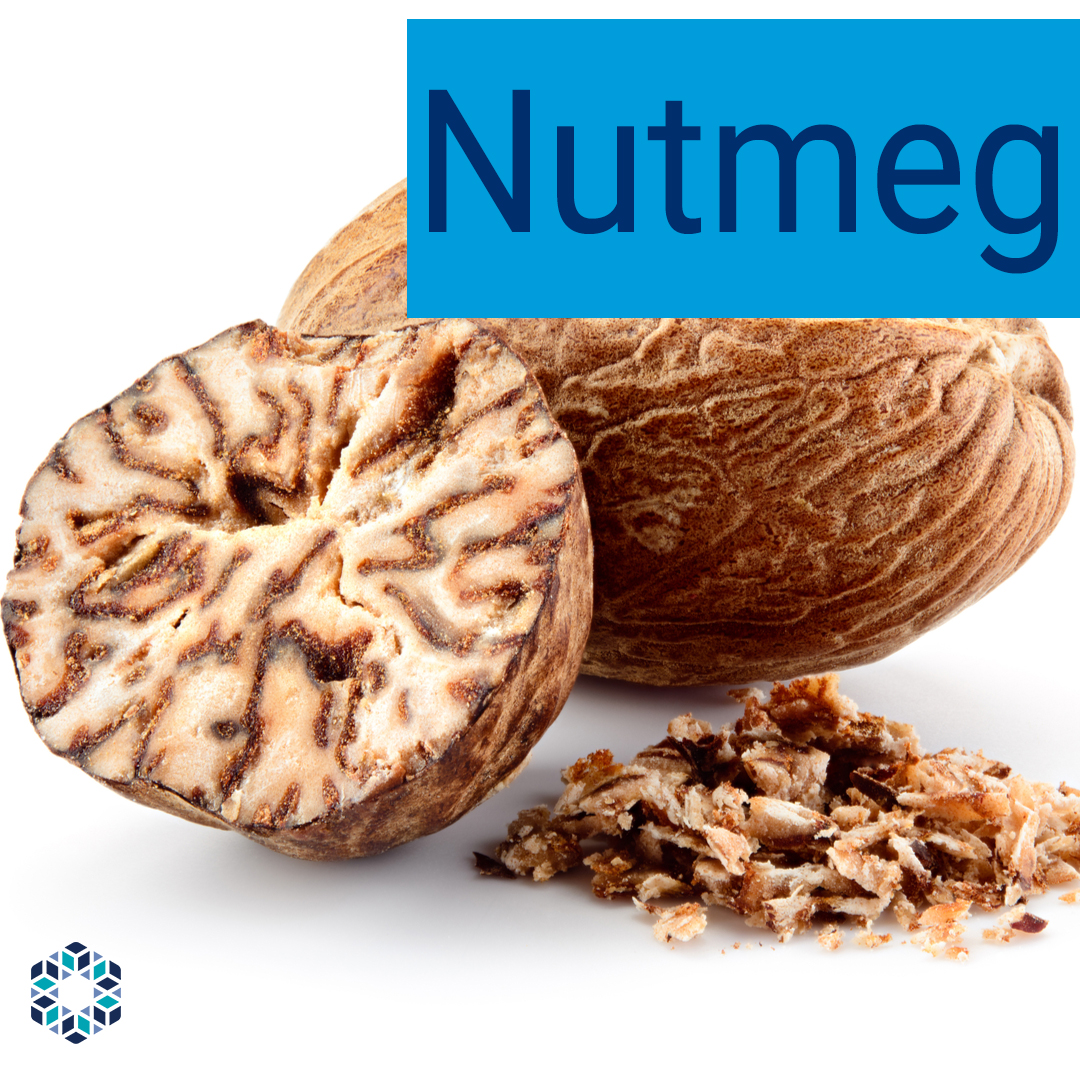
  1. Nutmeg has some preclinical data indicating it may have potential as a pain reliever due to its inhibition of COX enzymes, a mechanism similar to some non-steroidal anti-inflammatory drugs.
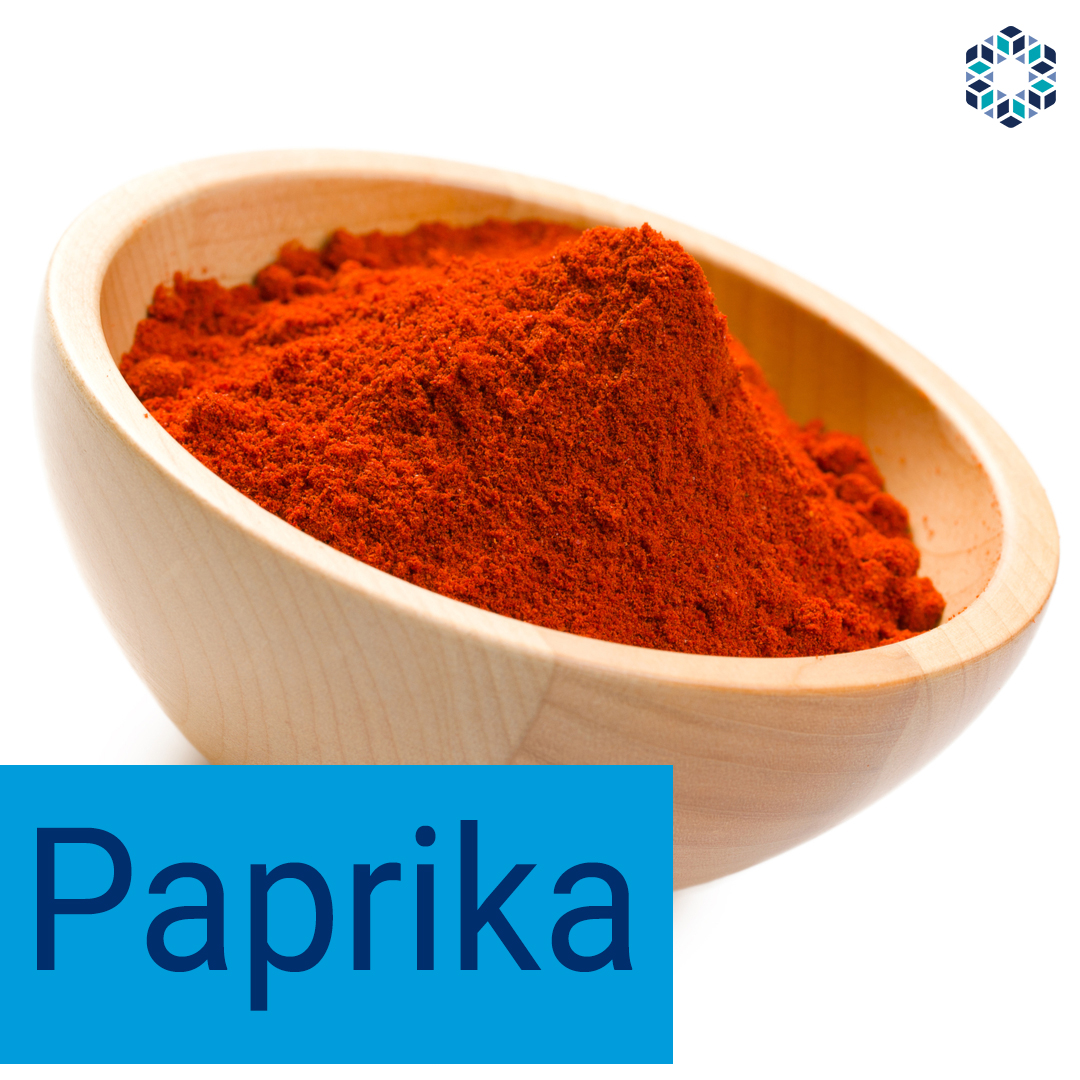
  1. Paprika prevented an inflammatory response from UV damage to skin in people.22 Paprika also suppressed TNF-α and resistin in adipocytes (fat cells).

Life Extension offers some of best researched supplements on the market today. We are offering an

Exclusive Sale for New Customers Only! Enjoy special Discounts & Free Shipping on a collection of our finest products. Use code NY10

Go here to place orders. https://www.kqzyfj.com/click-9229325-13932625
Introduce Yourself (Example Post)

This is an example post, originally published as part of Blogging University. Enroll in one of our ten programs, and start your blog right.

You’re going to publish a post today. Don’t worry about how your blog looks. Don’t worry if you haven’t given it a name yet, or you’re feeling overwhelmed. Just click the “New Post” button, and tell us why you’re here.

Why do this?

  • Because it gives new readers context. What are you about? Why should they read your blog?
  • Because it will help you focus you own ideas about your blog and what you’d like to do with it.

The post can be short or long, a personal intro to your life or a bloggy mission statement, a manifesto for the future or a simple outline of your the types of things you hope to publish.

To help you get started, here are a few questions:

  • Why are you blogging publicly, rather than keeping a personal journal?
  • What topics do you think you’ll write about?
  • Who would you love to connect with via your blog?
  • If you blog successfully throughout the next year, what would you hope to have accomplished?

You’re not locked into any of this; one of the wonderful things about blogs is how they constantly evolve as we learn, grow, and interact with one another — but it’s good to know where and why you started, and articulating your goals may just give you a few other post ideas.

Can’t think how to get started? Just write the first thing that pops into your head. Anne Lamott, author of a book on writing we love, says that you need to give yourself permission to write a “crappy first draft”. Anne makes a great point — just start writing, and worry about editing it later.

When you’re ready to publish, give your post three to five tags that describe your blog’s focus — writing, photography, fiction, parenting, food, cars, movies, sports, whatever. These tags will help others who care about your topics find you in the Reader. Make sure one of the tags is “zerotohero,” so other new bloggers can find you, too.

Design a site like this with WordPress.com
Get started